

Here’s something that should worry you if you run a small business: the same AI tools that are making everyone’s lives easier are also making hackers a lot more dangerous. And I don’t mean in some vague, theoretical way. I mean right now, in 2026, attackers are using AI to go after businesses like yours, and they’re getting really good at it.
A few years ago, most cyberattacks against small businesses were pretty unsophisticated. Spam emails with obvious typos, generic malware, stuff your email filter could catch on a good day. That’s not what we’re dealing with anymore.
What AI-powered attacks actually look like
The short version: attackers are using AI to do things faster and better than any human hacker could.
Phishing that’s actually convincing. AI can scrape your company’s website, social media, even LinkedIn profiles to write emails that sound like they’re from someone you know. Not the old “Dear valued customer” stuff, we’re talking emails that reference your actual projects, use your coworkers’ names, and match the tone of real internal communications. One of these lands in an employee’s inbox and it takes real effort to spot the fake.
Deepfake voice calls. This one’s wild. Attackers can clone someone’s voice from a few minutes of audio, a podcast appearance, a conference recording, even a voicemail greeting, and use it to call your accounting department pretending to be the CEO. “Hey, I need you to wire $15,000 to this vendor today.” It sounds exactly like the real person. This is already happening to businesses across Florida.
Automated vulnerability scanning. AI lets attackers scan thousands of businesses at once, looking for weak spots, outdated software, open ports, misconfigured firewalls. They’re not manually poking around your network anymore. They’ve got tools that do it in seconds and flag the easiest targets. Small businesses with thin IT resources come up a lot.
Smarter ransomware. Ransomware is getting a brain. Newer variants use AI to figure out which files are most important to your business, encrypt those first, and set ransom amounts based on what they think you can afford. Some of them will steal your data before encrypting it and threaten to publish it online if you don’t pay, double extortion.
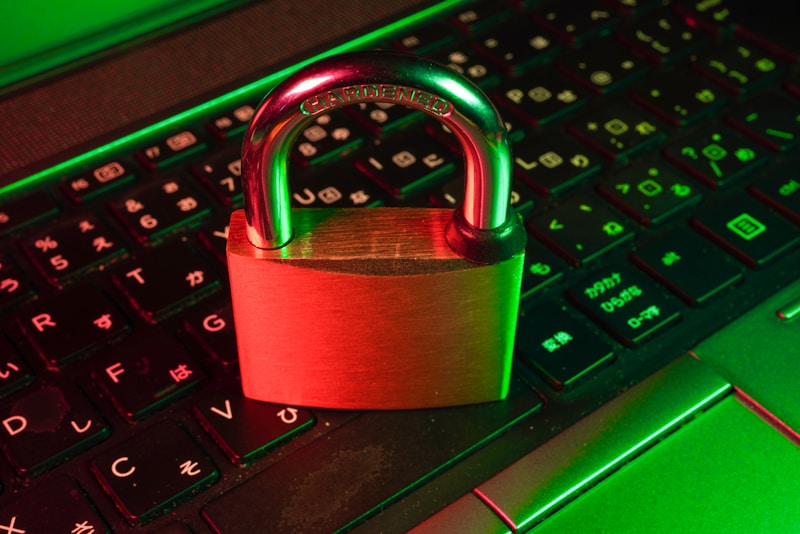
Why small businesses keep getting hit
There’s a myth that hackers only care about big companies. The reality is the opposite, small businesses get hit more often because they’re easier targets. Most don’t have a dedicated IT security person, a lot are running outdated software, and employees haven’t been trained to spot current phishing attempts.
Attackers also know that small businesses are gateways. If you work with larger companies as a vendor or contractor, compromising your network can give them a backdoor into your bigger clients. That’s not theoretical, some of the biggest breaches in the last few years started with a small vendor getting hacked.
And the cost of getting hit isn’t small. Between forensic investigation, legal fees, notifying affected customers, potential fines, and the business you lose while your systems are down, a single breach can cost a small business six figures. Some don’t recover.
What you can actually do about it
The good news is that protecting yourself doesn’t require a Fortune 500 budget. Most of it comes down to basics done consistently:
Train your people. Not a yearly slideshow, actual ongoing training with simulated phishing tests. Your employees are your biggest vulnerability and your best defense, depending on whether they know what to look for.
Turn on MFA everywhere. Multi-factor authentication stops the vast majority of account compromises. Yes, it’s an extra step. Yes, it’s worth it. If a password gets stolen, MFA is the thing that keeps the attacker locked out anyway.
Keep everything updated. Software updates aren’t just about new features, they patch security holes that attackers know about and actively exploit. If you’re running Windows machines that haven’t been updated in months, you’re basically leaving the front door open.
Get someone watching your network. AI attacks are fast. A human checking logs once a week isn’t going to catch them. You need monitoring that runs 24/7 and flags suspicious activity as it happens, not three days later.
Have an incident response plan. If something does happen, the businesses that recover fastest are the ones that had a plan in place beforehand. Know who to call, what to shut down, and how to get back online.
This isn’t going away
AI-powered attacks are only going to get more common and more convincing. The businesses that take it seriously now, even just getting the basics in place, are going to be in much better shape than the ones who keep putting it off.
If you’re not sure where your business stands, talk to us at HenkTek. We work with small businesses across Fort Myers, Cape Coral, Bonita Springs, and Southwest Florida, and we deal with this stuff every day. We’ll do a security assessment, show you where the gaps are, and help you close them before someone else finds them first. (239) 234-2334.
You might also like:
HenkTek is a local IT company in Fort Myers that looks after the technology Southwest Florida businesses depend on, from Cape Coral and Bonita Springs to Naples. We handle managed IT, cybersecurity, backups and help desk support, and we explain things in plain English.